
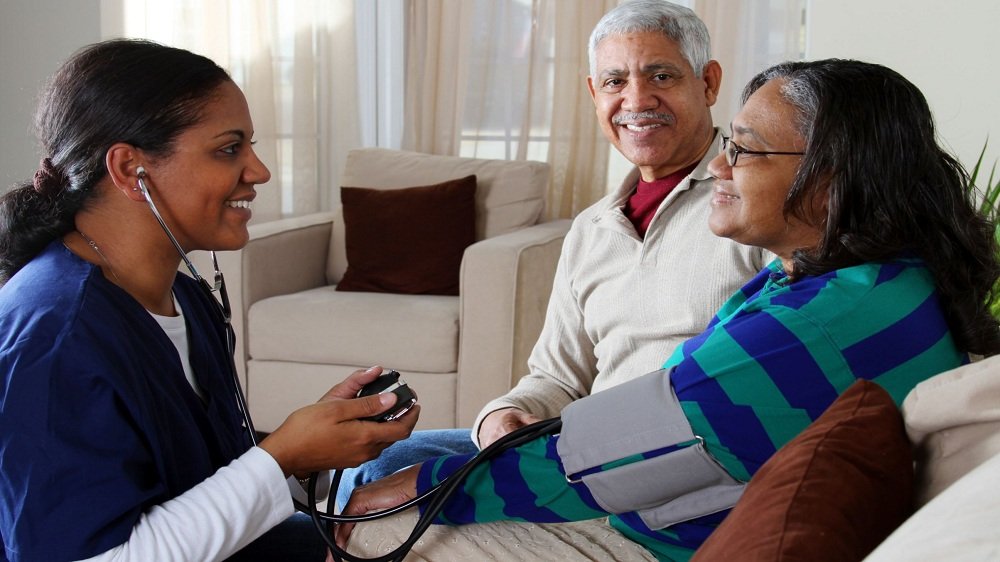
Home Healthcare Services: Convenient Care at Home
Home healthcare has become an important part of modern medical care, especially for individuals and families managing busy routines, ongoing health conditions, or mobility limitations. Many patients find it challenging to balance work responsibilities, caregiving duties, and regular medical visits while still ensuring consistent and timely healthcare. For these individuals, receiving medical care at home is no longer just about convenience. It is often a practical and necessary solution.
Over the years, home healthcare services have expanded significantly. Today, patients can access professional medical consultations, nursing support, and follow-up care without leaving their homes. This approach is particularly beneficial for elderly individuals, patients recovering after surgery, those with chronic illnesses, and families who prefer personalised care in a familiar and comfortable environment.
What Are Home Healthcare Services?
Home healthcare refers to a range of medical and supportive services delivered at a patient’s residence instead of a hospital or clinic. These services are provided by qualified healthcare professionals and are tailored to the patient’s specific medical needs.
Home healthcare extends beyond basic assistance. It may include medical consultations, home nursing, monitoring of chronic conditions, rehabilitation support, and help with daily health-related activities when required.
Why More People Are Choosing Home Healthcare
Home healthcare appeals to individuals across different age groups and health needs. Many patients prefer healthcare solutions that fit smoothly into their daily lives without frequent travel or long waiting times.
Common reasons people choose home healthcare include:
- Busy work schedules and limited time for clinic visits
- Ongoing medical conditions requiring regular monitoring
- Reduced mobility or difficulty travelling
- Preference for privacy and comfort
- Desire for continuity of care
Home healthcare allows patients to receive medical attention while maintaining their routine and comfort.
Who Can Benefit from Home Healthcare Services?
Elderly Patients
Elderly care at home is one of the most common reasons families opt for home healthcare. Age-related health conditions, reduced mobility, and the need for regular supervision can make frequent hospital visits challenging.
Home healthcare provides elderly patients with medical oversight, medication management, and nursing care in a safe and familiar setting.
Patients with Chronic Conditions
Individuals managing conditions such as diabetes, hypertension, heart disease, or respiratory illnesses benefit from regular monitoring at home. Home healthcare helps maintain stable health, supports medication adherence, and reduces unnecessary hospital visits.
Post-Surgical Patients
After surgery, patients often require wound care, medication support, and close observation. Recovering at home with professional medical assistance promotes comfort and supports a smoother recovery process.
Individuals with Mobility Limitations
Patients with injuries, neurological conditions, or physical disabilities may find travel difficult. Home healthcare ensures continuity of treatment without placing additional physical strain on the patient.
Types of Home Healthcare Services Available
Doctor Home Visit
A doctor home visit allows patients to consult a qualified doctor without visiting a clinic. This service is suitable for acute illnesses, follow-ups, and assessments that do not require hospital admission.
Doctors can assess symptoms, prescribe medication, and guide further treatment directly from the patient’s home.
Home Nursing Services
Home nursing is a core part of home healthcare. Services may include:
- Wound care and dressing changes
- Medication administration
- IV therapy
- Monitoring vital signs
- Catheter and stoma care
Home nursing ensures professional care while maintaining hygiene, safety, and patient comfort.
Elderly Care at Home
Elderly care at home focuses on maintaining quality of life while managing age-related medical needs. Care plans are personalised and may include daily assistance, medical supervision, and emotional support.
Post-Hospitalisation Care
After hospital discharge, many patients require continued medical support. Home healthcare bridges the gap between hospital treatment and full recovery, helping reduce the risk of complications.
Benefits of Choosing Home Healthcare
Comfort and Familiarity
Being at home reduces stress and anxiety, particularly for elderly patients and children. Familiar surroundings support emotional well-being and recovery.
Personalised Attention
Home healthcare offers one-to-one care. Healthcare professionals focus entirely on the patient, unlike busy hospital environments.
Reduced Infection Risk
Hospitals can expose patients to infections, especially those with weaker immunity. Home healthcare minimises this risk by limiting exposure.
Convenience for Families
Families can remain involved in care without significantly altering their daily routines. This improves coordination and provides peace of mind.
Home Healthcare and Chronic Disease Management
Home healthcare plays an important role in managing long-term medical conditions. Regular monitoring helps identify changes early and prevents complications.
For example, patients with diabetes may benefit from blood sugar monitoring, medication support, and lifestyle guidance at home, supporting better long-term outcomes.
Importance of Professional Supervision
While home care offers comfort, it must always be professionally supervised. Qualified doctors and nurses ensure accurate assessment, safe medication use, and timely escalation of care when required.
Professional home healthcare follows established medical protocols and prioritises patient safety at all times.
How Home Healthcare Supports Elderly Independence
Many elderly individuals prefer to remain in their own homes rather than move to assisted living facilities. Home healthcare enables this independence while ensuring that medical needs are properly managed.
With regular support, elderly patients can maintain dignity, routine, and a sense of control over their daily lives.
Choosing the Right Home Healthcare Provider
When selecting a home healthcare service, families should consider:
- Licensed and qualified medical professionals
- Clear communication and structured care plans
- Availability for follow-ups and urgent concerns
- A patient-centred approach
Choosing the right provider ensures safe, reliable, and effective care at home.
Common Concerns About Home Healthcare
Is home healthcare as effective as hospital care?
For many non-emergency conditions, home healthcare can be equally effective when managed by trained professionals.
Is home healthcare suitable for emergencies?
Home healthcare is intended for non-emergency care. Emergency situations require hospital treatment.
Is home nursing safe?
Yes. When provided by trained professionals following medical protocols, home nursing is safe and reliable.
FAQs
How often can a doctor visit at home?
Doctor home visits can be scheduled based on the patient’s medical needs.
Can home healthcare replace hospital care completely?
No. It complements hospital care but does not replace emergency or specialised treatment.
Is home healthcare suitable for short-term care?
Yes. It is suitable for both short-term recovery and long-term medical management.
Conclusion
Home healthcare offers a safe, practical, and patient-friendly way to receive medical care without leaving home. For families seeking reliable home healthcare services in Dubai, Atrumed provides doctor home visits, home nursing, and elderly care at home. To arrange care or speak with a medical professional, contact Atrumed today and experience quality healthcare delivered with comfort and care.